It’s 2024. I’m at a conference in Brussels. The city is sunny, and I remember something a local once told me: when the sun is out, this is the best place to be. So I start thinking about the weather outside and where I could go once the event ends.
I’m about to enter the last workshop, so I'm taking my notebook with me from the hotel room. What I like about these events is that ideas start to come just by listening to people. This particular workshop works in a simple way: at the end, each participant presents a project idea, something they wish existed, but doesn’t. There are no constraints.
I mostly create for young people, so I already know who this is for. I go through what I know about them, what I’ve heard from them, and the patterns I’ve observed.
At some point, something becomes clear. They have good ideas. They have meaningful things to say. But they don’t really push them further. Or when they do, they rely on the same formats again and again. It feels inefficient. Something is missing: that energy around a topic, the drive, something that keeps them connected to what is happening around them and helps them put it into words.I only have a few minutes left, and I need to come up with an idea. I like that moment when I clear my head and simplify everything.
I want to create something that is easy to understand and simple to replicate for young people. I look back at my notes and I have an “aha” moment. So this is it. Young people don’t verbalise, and that’s what bothers me. It feels like they don’t react when something goes against them. If a decision is made that affects them, I don’t imagine public squares filled with young people protesting. I imagine a shrug and moving on.It’s not that they don’t care. It’s that they don’t know how to protest in a way that feels natural to them. For many, protest still means going out into the street, in large groups, and it makes sense that they don’t see themselves in that. So something is missing, the methods, other ways of doing this. Where is the digital space in all of this? Where is the use of data? Where is creativity?
And that’s where the idea comes in.
What if I create a School of Protest?

School of Protest is where young people experiment with art techniques, activism, and digital tools to amplify their voices.
In 2025, I applied and was accepted into the Mediterranean Youth in Action programme, implemented by the Anna Lindh Foundation. The programme serves as a platform for young community leaders to realise grassroots initiatives that inspire community-led solutions to address home needs and promote inclusion across the Euro-Med region.
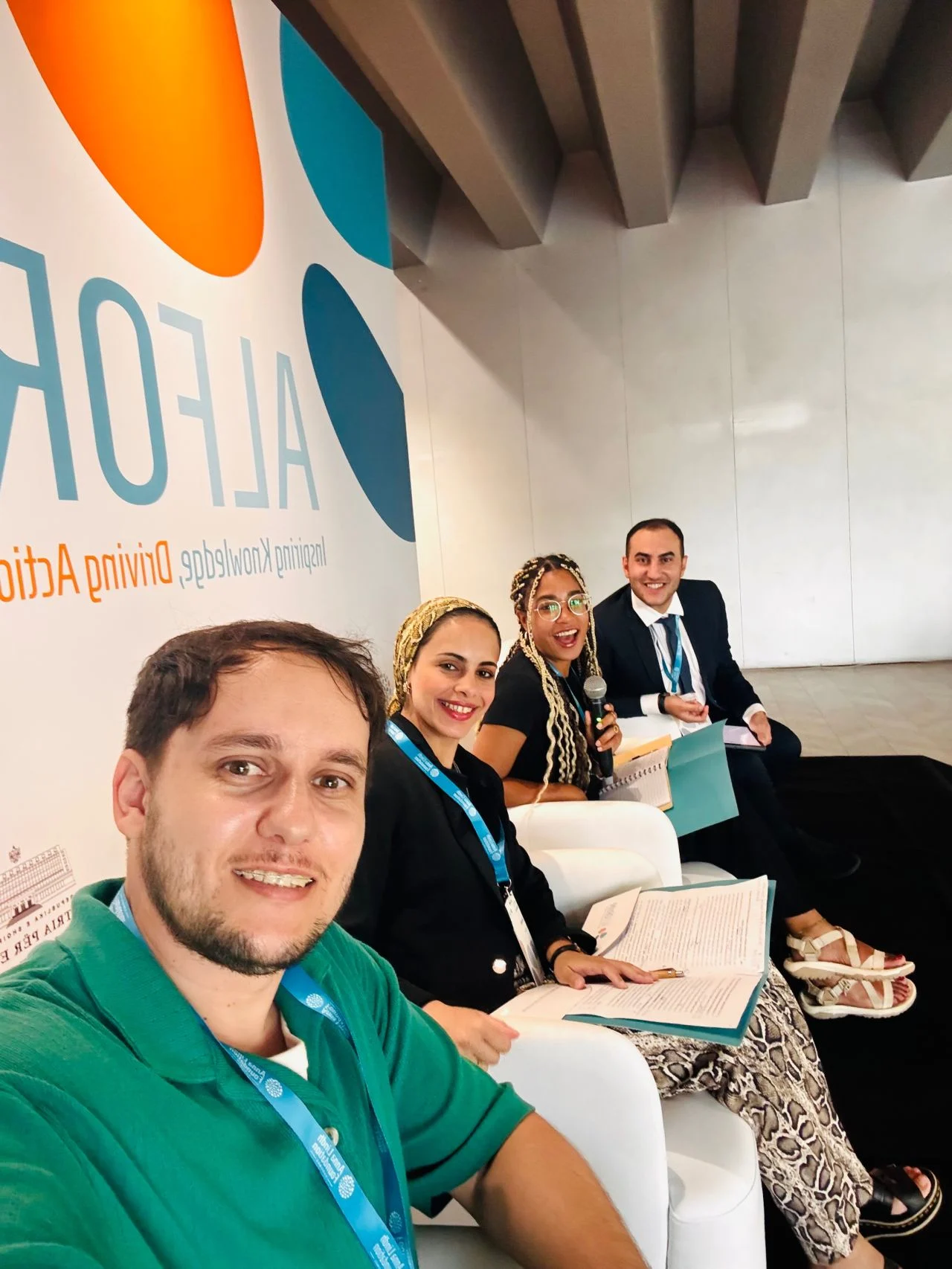
Our first meeting took place in Tirana, Albania, in June 2025, during the Anna Lindh Foundation Forum. Over a few days, I joined sessions that helped me move my idea forward.
I was also invited to speak about how grassroots civic action can better connect with research, in which I shared lessons from the projects we’ve built at Station Europe.
During this time, one thing became clear. I didn’t want School of Protest to be a one-time initiative. I wanted to build it as a format that can run in multiple editions, each with a different theme and set of activities.
Since the idea was already connected to participation methods, I linked it to AMPLIFY: Citizens, the platform I created in 2024.
This is where School of Protest is now hosted: https://amplifycitizens.com/school-of-protest/
Let me walk you through what came out of this first edition.
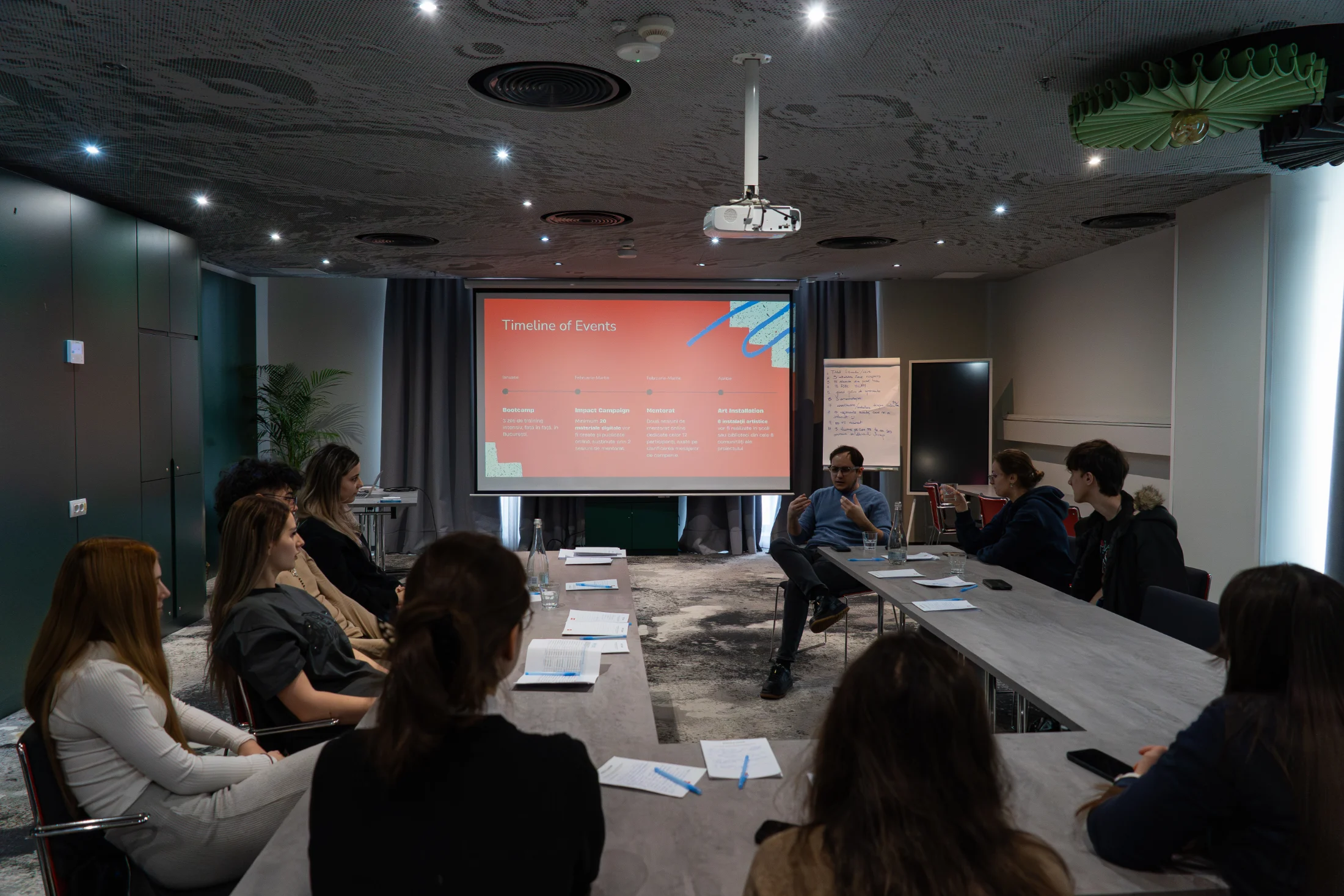
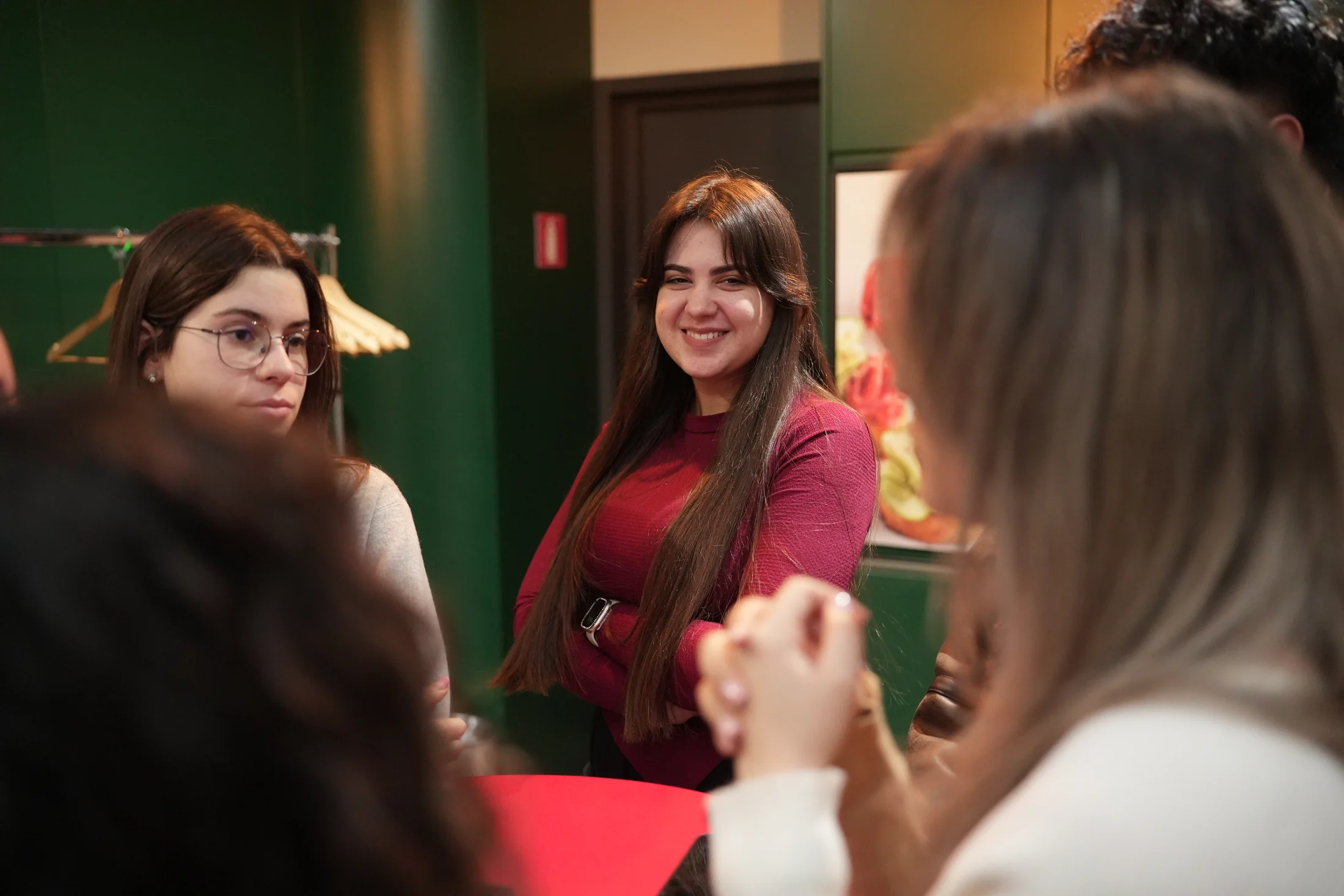
In January 2026, I organised a 3-day Bootcamp that brought together 12 young people from 8 different communities. This was the working space where participants clarified their ideas and defined what they wanted to take further.
Following the Bootcamp, participants developed over 20 short videos, each addressing a topic they considered relevant in their local context.
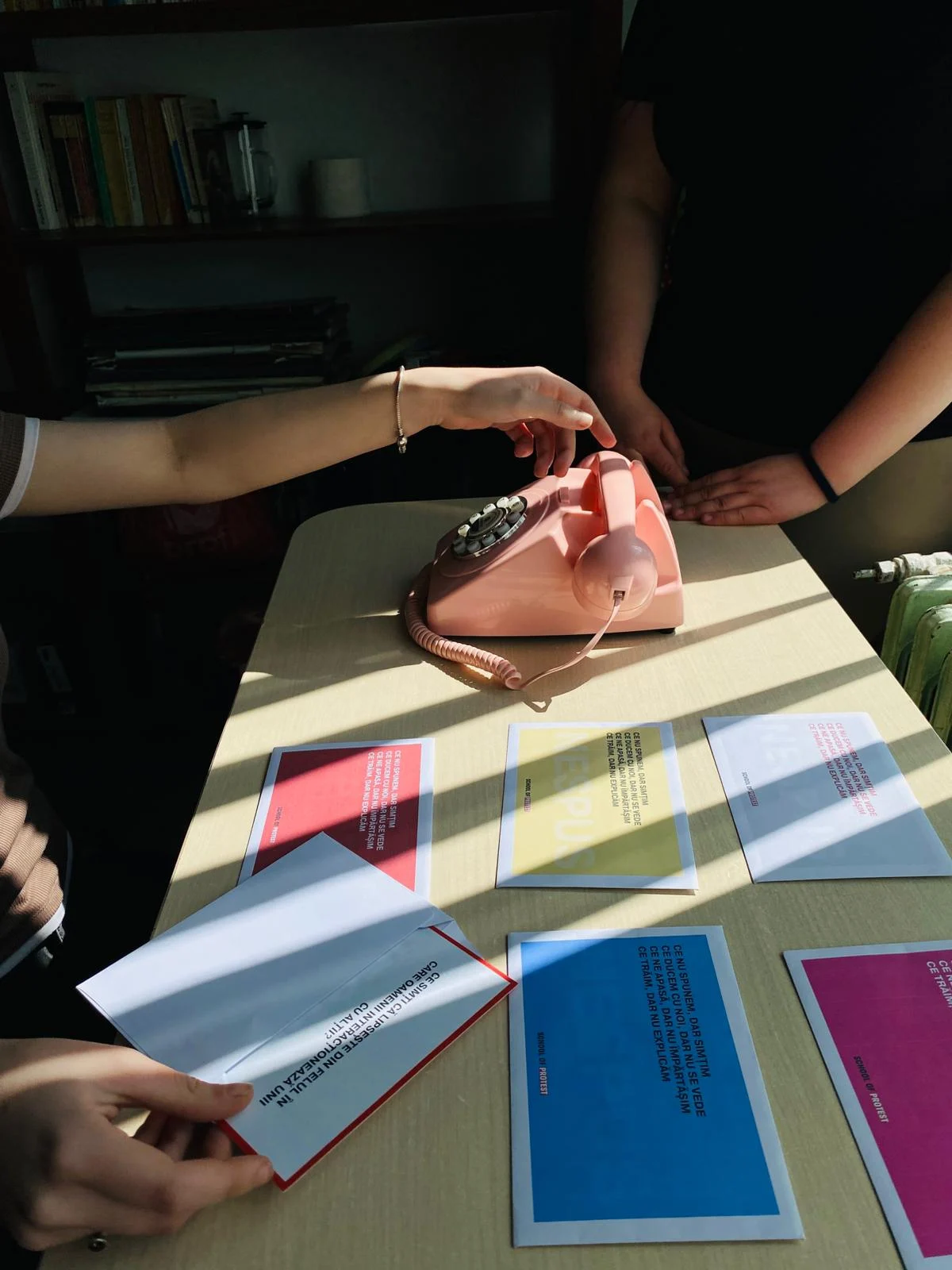
Between April and May 2026, we moved into the final stage of the initiative and presented the “Unspoken” installation in 6 communities.
Looking back at the process, one of the clearest observations is that young people already have perspectives on what is not working in their communities. What is often missing is the structure and methods to express those perspectives in a way that reaches others.
When they are exposed to different ways of doing that, as we did in this initiative, they start to care about how they communicate. They become curious. They want to understand how to do it better.
For many of them, this becomes a starting point. Something that will shape how they stay involved further on.
I was also glad to see that 10 out of the 12 participants want to continue developing their ideas. Some have already started outlining what comes next. For me, this confirmed that creating learning contexts through art and other creative forms of expression works.
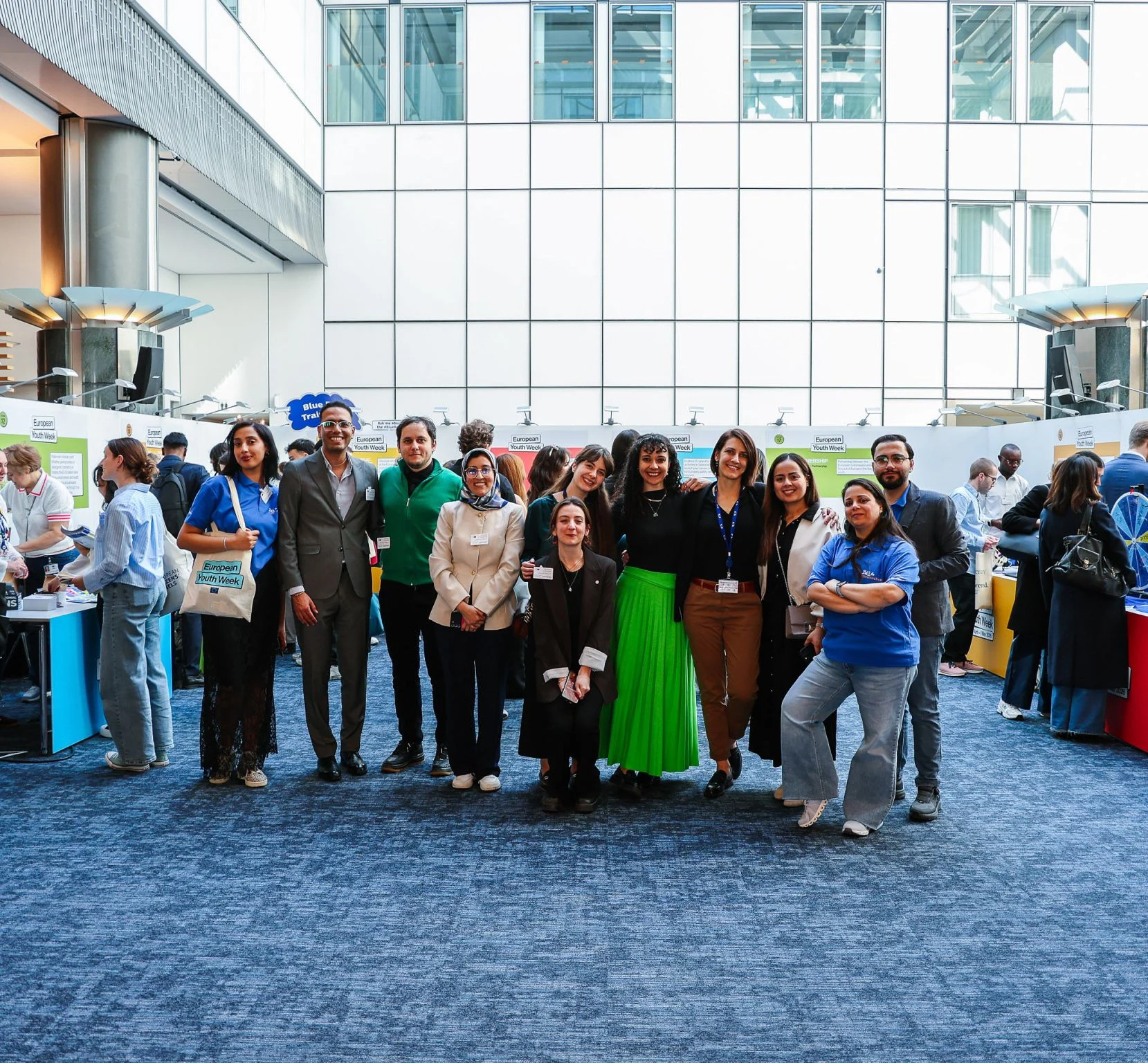
On April 25, I joined European Youth Week at the invitation of the Anna Lindh Foundation, where I presented School of Protest.
At the stand, from the moment the event started until it ended, there were always people there. Constantly. Asking questions, sharing their own experiences. I stayed for a few hours, and it didn’t slow down at all. It was amazing to see so many people interested in learning more.
I’m adding this event to my list of the best networking spots.
Easily in my top five so far.
Grateful for the experience.